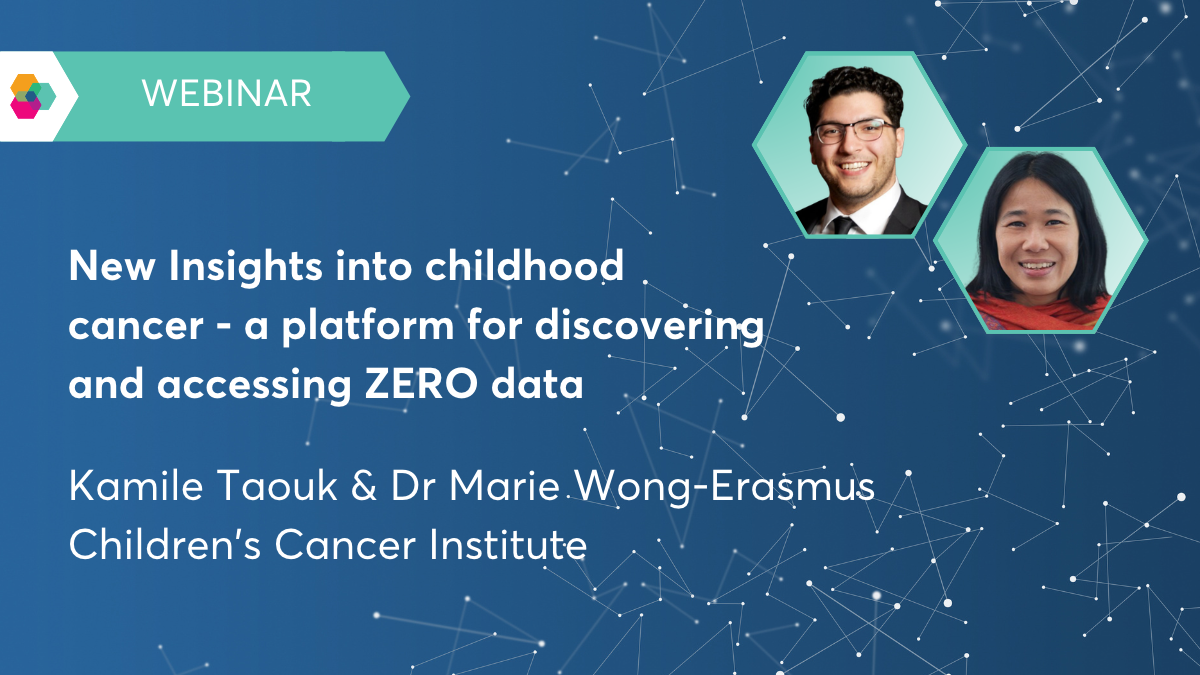


In November, Children’s Cancer Institute will launch Insights, a new platform that makes data from the ZERO Childhood Cancer Program easier to discover, explore and request. Insights was developed through the GUARDIANS Program at Australian BioCommons.
A new Medical Research Future Fund grant for National Critical Research Infrastructure, announced in July 2026, will expand CaRDinal, a secure, cloud-based platform purpose-built for collaborative rare disease genomic analysis supported by the GUARDIANS Program.
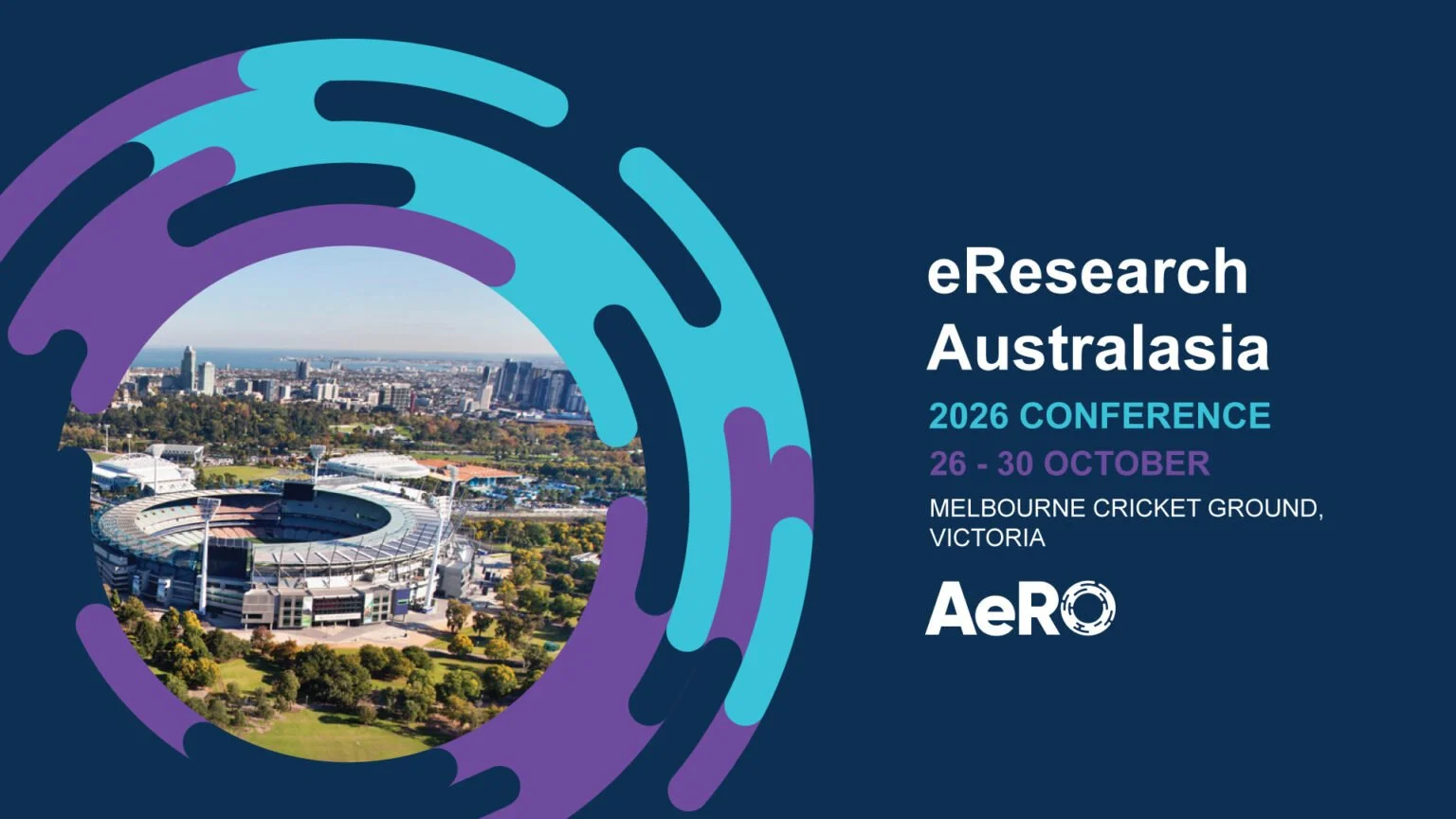
Many of the Australian BioCommons team and partners working on our projects will be presenting at the next eResearch conference from 26 - 30 October 2026. Here's a snapshot of ways to hear about our ongoing developments.
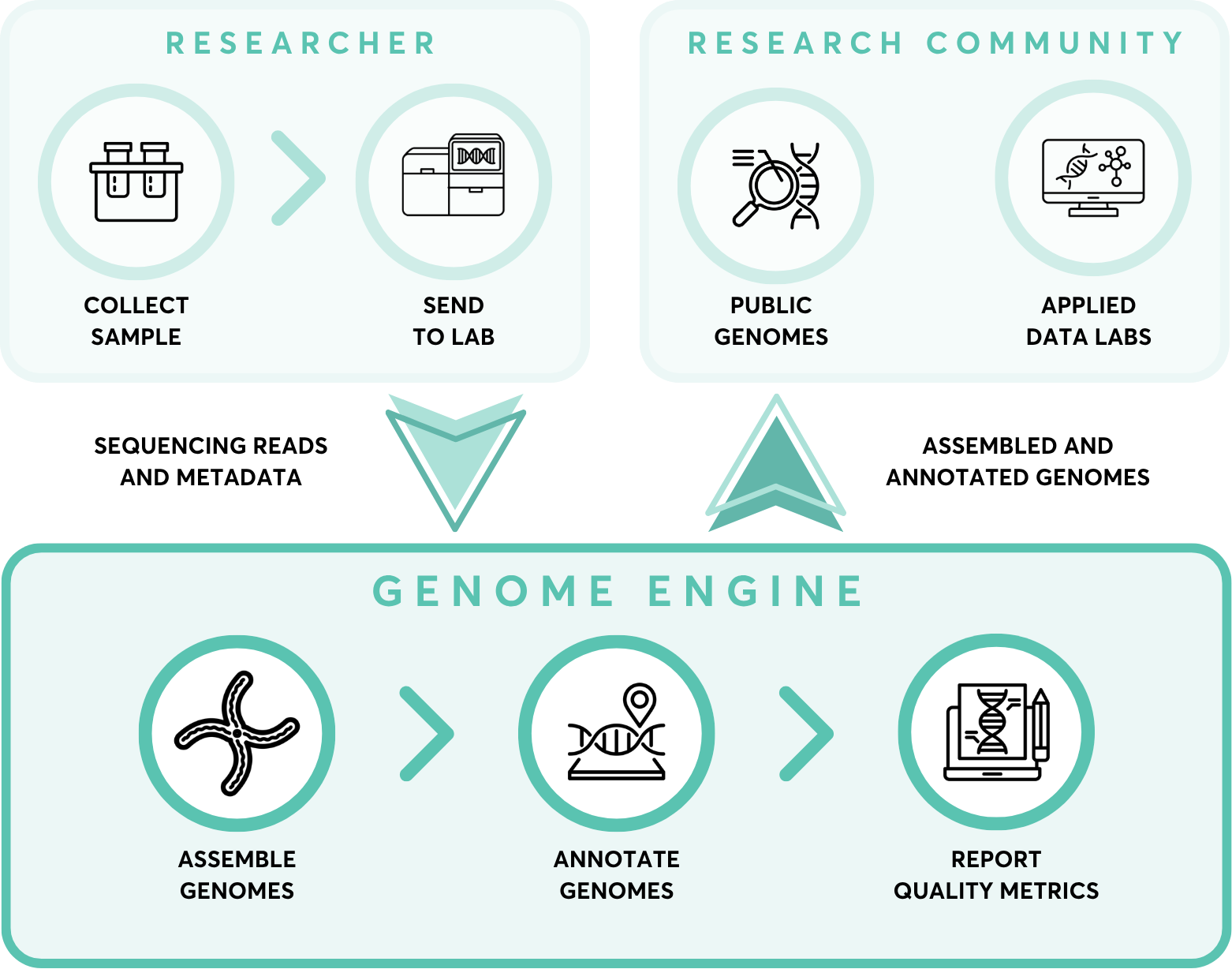
The Australian Tree of Life (AToL) Genome Engine is enabling rapid, automated genome assembly, annotation and publication, turning raw sequence data in reference genomes for Australian birds, fish, threatened species and more.
BioCommons Director, Dr Jeff Christiansen, has been appointed to the Scientific Advisory Committee of the Global Biodata Coalition, working alongside global data experts to guide strategic approaches for funding and sustainability of digital infrastructure.
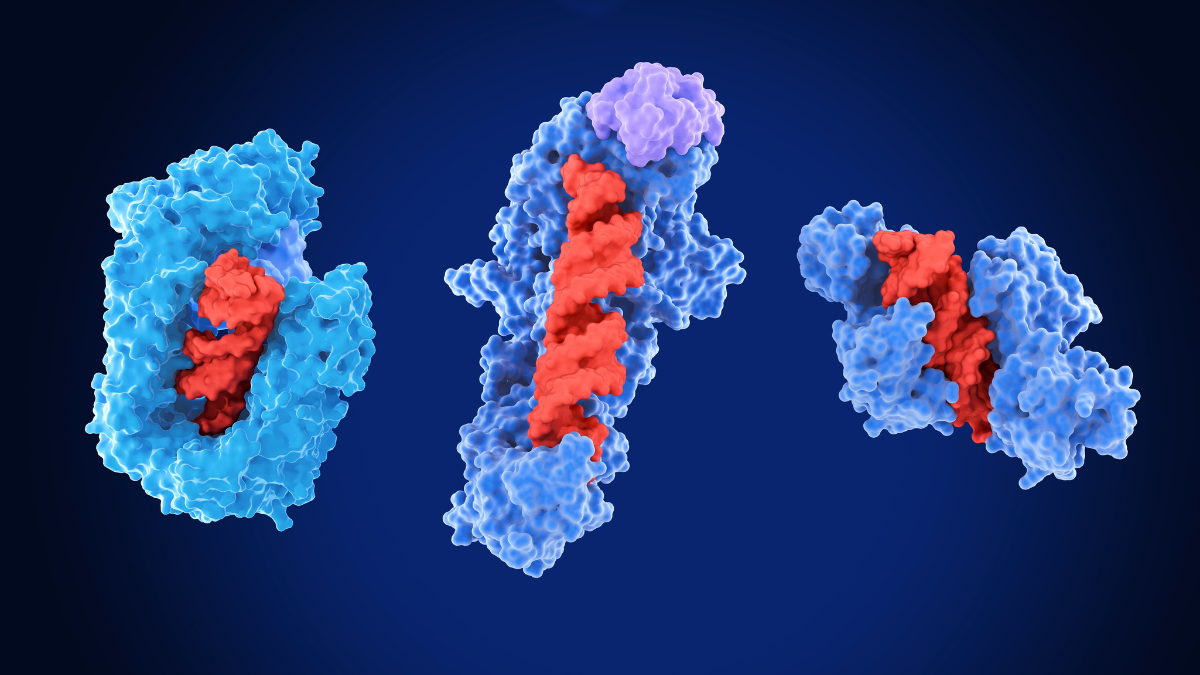
A collaborative effort from academia and industry has made a popular protein design software package free for commercial use, removing a significant barrier for biotechnology companies wanting to use the pipeline.
The open-source data platform, Gen3, is able to support robust data ecosystems that are tailor-made for their users. Australian BioCommons is supporting multiple deployments through the GUARDIANS Program, helping national consortia management and share their human omics data holdings between research collaborators.
The development of a new national resource is underway that will unite pre-clinical models, data and researchers to better understand mental disorders at the molecular level.
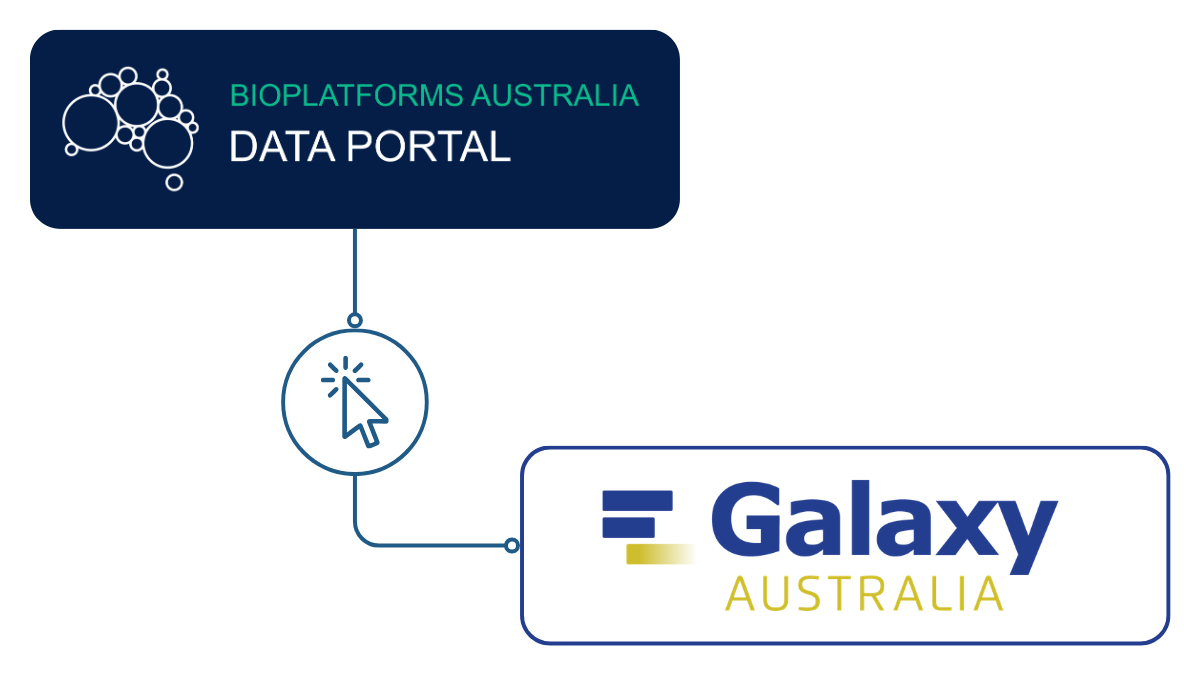
A new one-click data transfer feature now connects the Bioplatforms Data Portal directly to Galaxy Australia. Powered by BioCommons Access, this integration lets researchers instantly send large datasets straight to the analysis platform without having to switch.
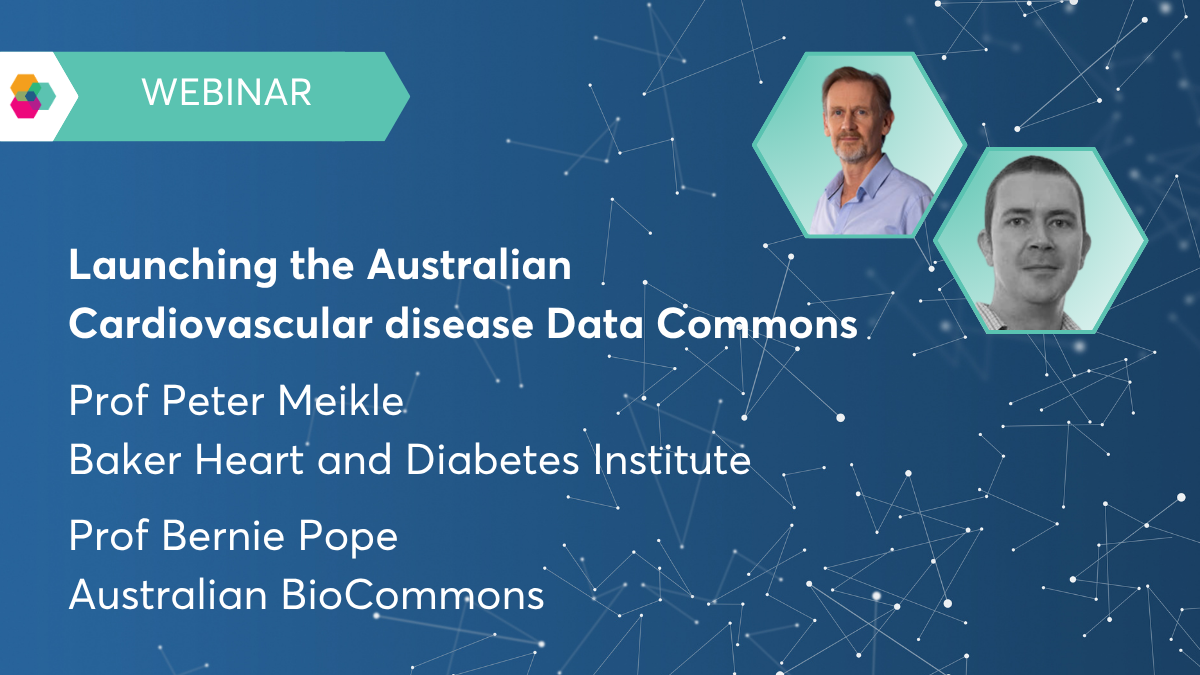
The Australian Cardiovascular disease Data Commons (ACDC) is launching as a cloud-based research platform built to accelerate the discovery of new risk markers for heart attack and stroke.
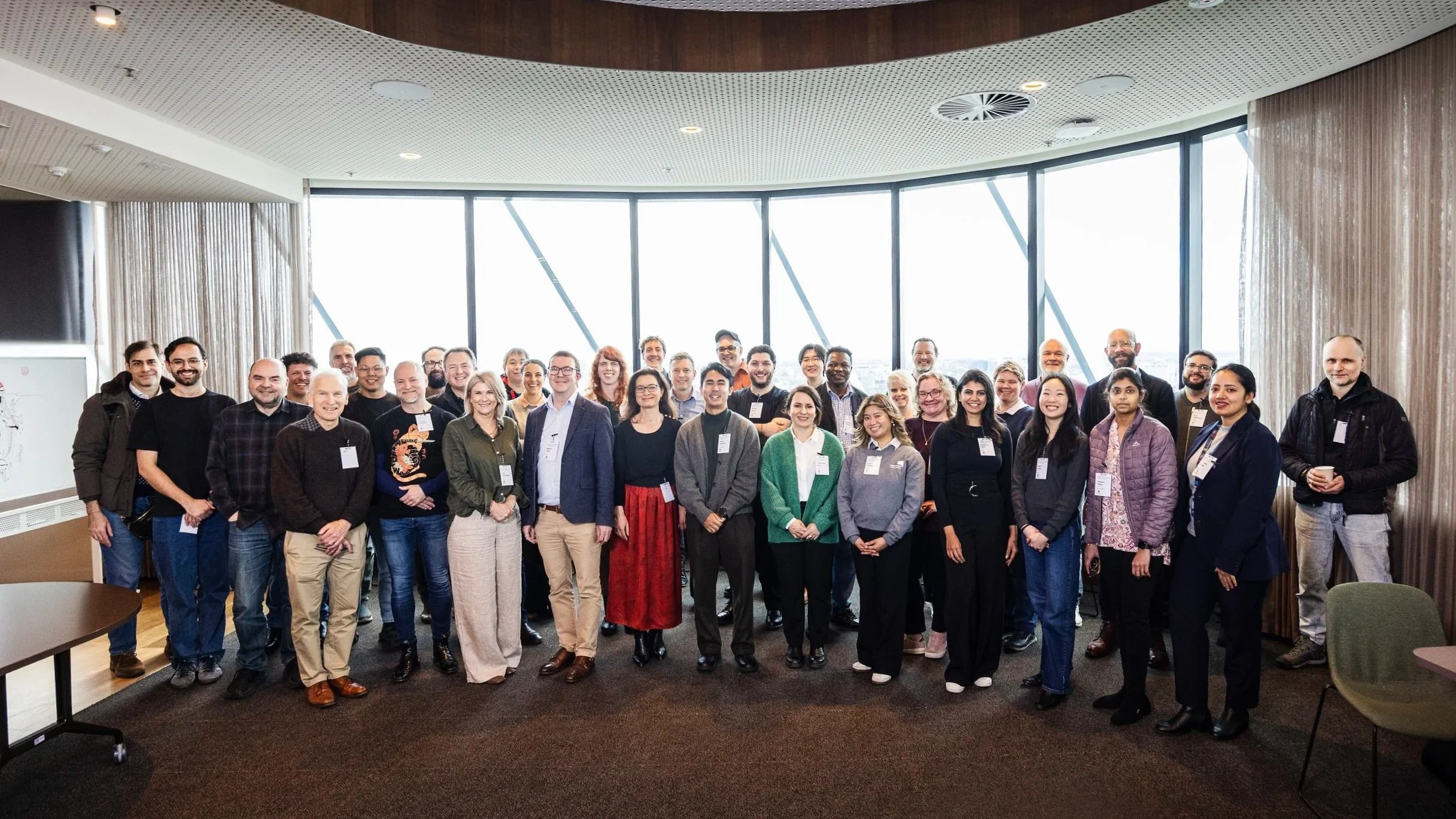
GUARDIANS program leads and project delivery partners from across Australia gathered this month for the third GUARDIANS partner meeting. Held in Melbourne, the two-day event provided a forum to showcase achievements, discuss challenges, and plan for the future of secure, responsible genomic data infrastructure in Australia.
Are you interested in joining this year’s BioHackathon Europe, but can’t face the long haul flights? You should join the Australian Outpost team who will gather in Melbourne, while checking in regularly with our international colleagues.
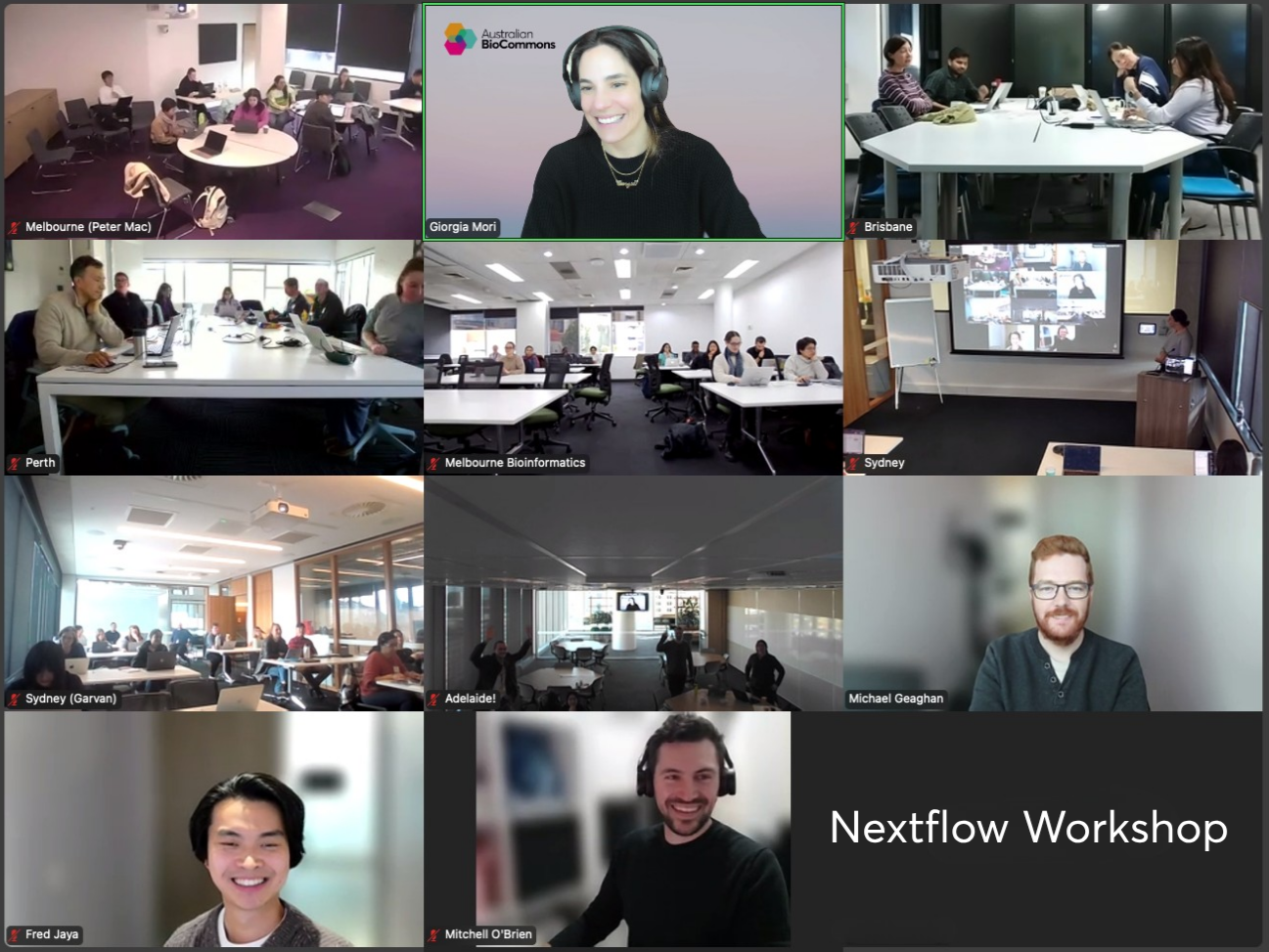
The Sydney Informatics Hub and Australian BioCommons have developed a reusable instructor package to support trainers in delivering high quality introductory Nextflow training workshops with less preparation.
The Australian Structural Biology Computing Community is seeking Australian EMCR researchers in structural biology to share their work at a special online meeting.
A new ready-to-use virtual environment offers researchers immediate access to a curated set of bioinformatics tools and datasets. BioShell provides a command line interface that is preconfigured for bioinformatics and uses national computer resources, at no cost to researchers.
Seqera has released a new case study featuring Australian BioCommons: Australian BioCommons Standardizes Bioinformatics and Scales Compute Access Nationwide with Seqera.
The deep learning-based genome annotation tool, Tiberius, is now available in Galaxy Australia. After being wrapped and extensively tested, it is freely available for everyone’s use in the Genome Lab.
Australian BioCommons is proud to announce that Dr Sarah Beecroft has been awarded the 2026 Early Career eResearch Excellence Prize by AeRO. The prize recognises Sarah’s excellence in research enablement, technical innovation, collaboration, and community leadership.
The Australian BioCommons Leadership Share (ABLeS) has been providing access to infrastructure and computational resources for over 5 years, enhancing the capacity of life scientists to readily harness national infrastructure to accelerate their discoveries. The publications generated by 73 projects involving 471 ABLeS users provide a fascinating insight into the diversity of research requiring large-scale computational power for bioinformatics.
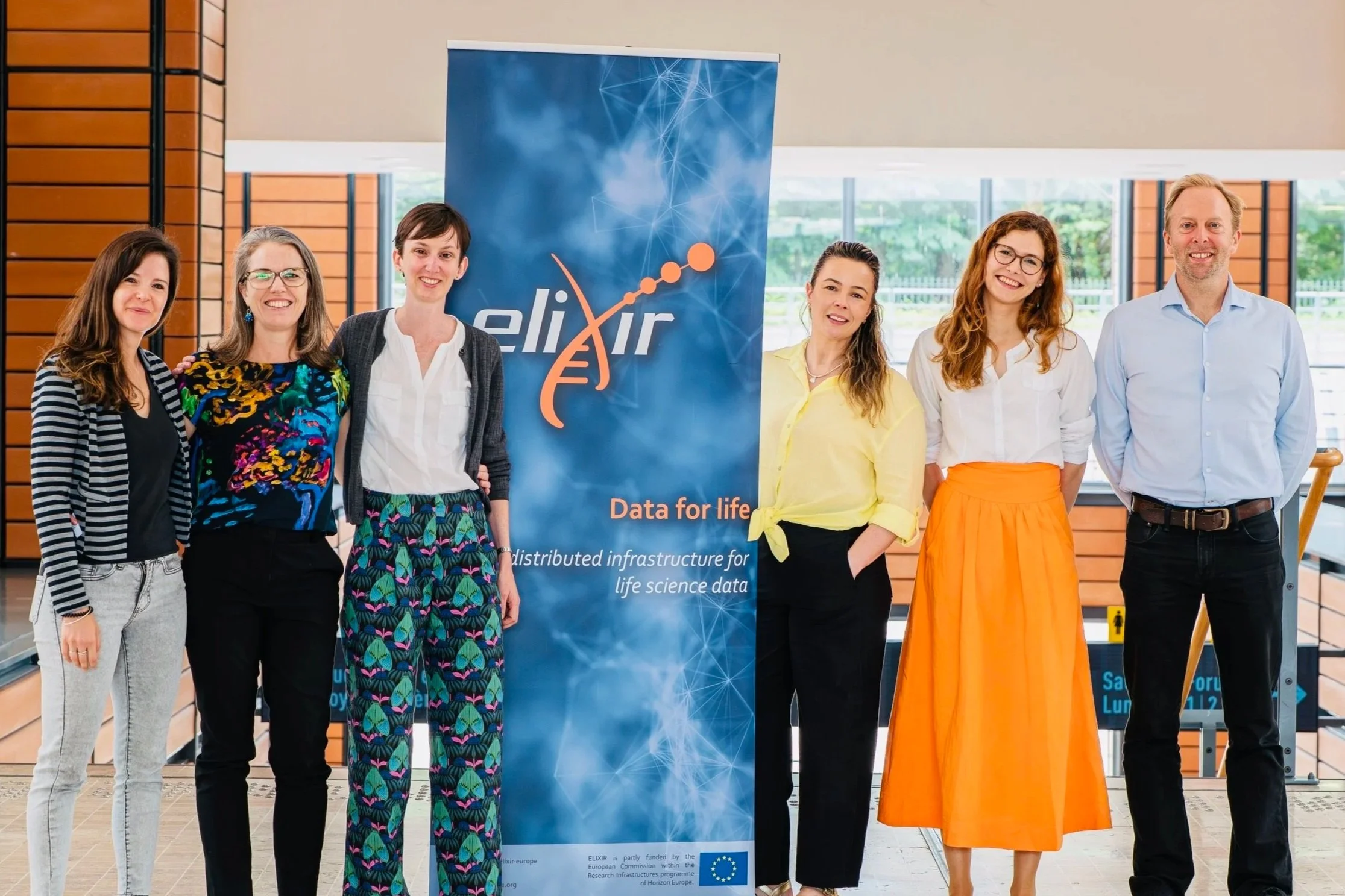
Australian BioCommons join ELIXIR’s All Hands meeting in France this month, an international gathering to share insights and address the challenges of building and sustaining distributed life science data infrastructure.
A hands-on introduction to metagenomic analysis using the MOTHUR tool within the Galaxy platform
Join us to explore our benchmarking findings and learn how these insights can streamline your own genome assembly and annotation workflows.
A guided introduction to next generation sequencing (NGS) technologies and the fundamental bioinformatics analysis involved in modern sequencing analysis.
The Australian Outpost will gather to work locally and check in regularly with our international colleagues at this year’s BioHackathon Europe.
Join members of the metabolomics bioinformatics community who meet regularly to discuss bioinformatics methods and challenges in metabolomics.
Discover data and analysis resources for infectious disease research including Bacterial and Viral Bioinformatics Resource Center, Pathogen Data Network and BRC-analytics.
Come together online with others who are creating, modifying and reusing workflows for bioinformatics.
Join researchers, scientists and bioinformaticians to discuss single cell and spatial omics research
Join researchers, scientists and bioinformaticians to discuss genomics research in Australia
Join researchers, scientists and bioinformaticians to discuss multiomics research in Australia
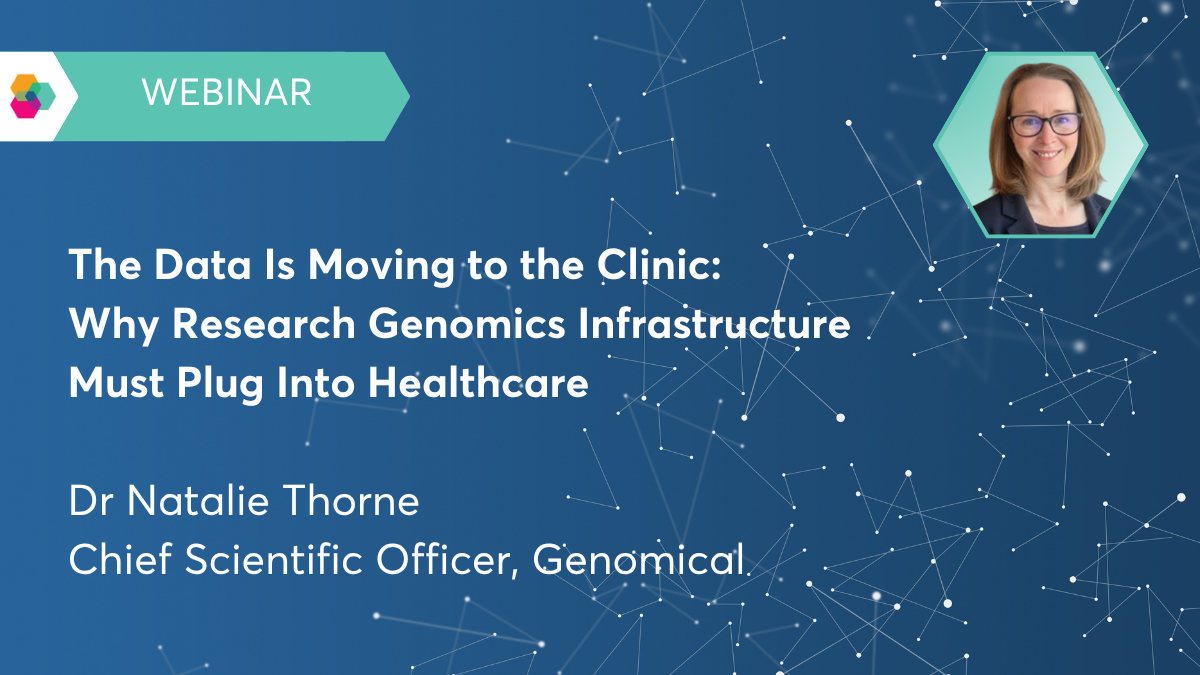
This webinar discusses how genomic data is moving from research to the clinic, and why research data infrastructure must pivot to facilitate this important shift.
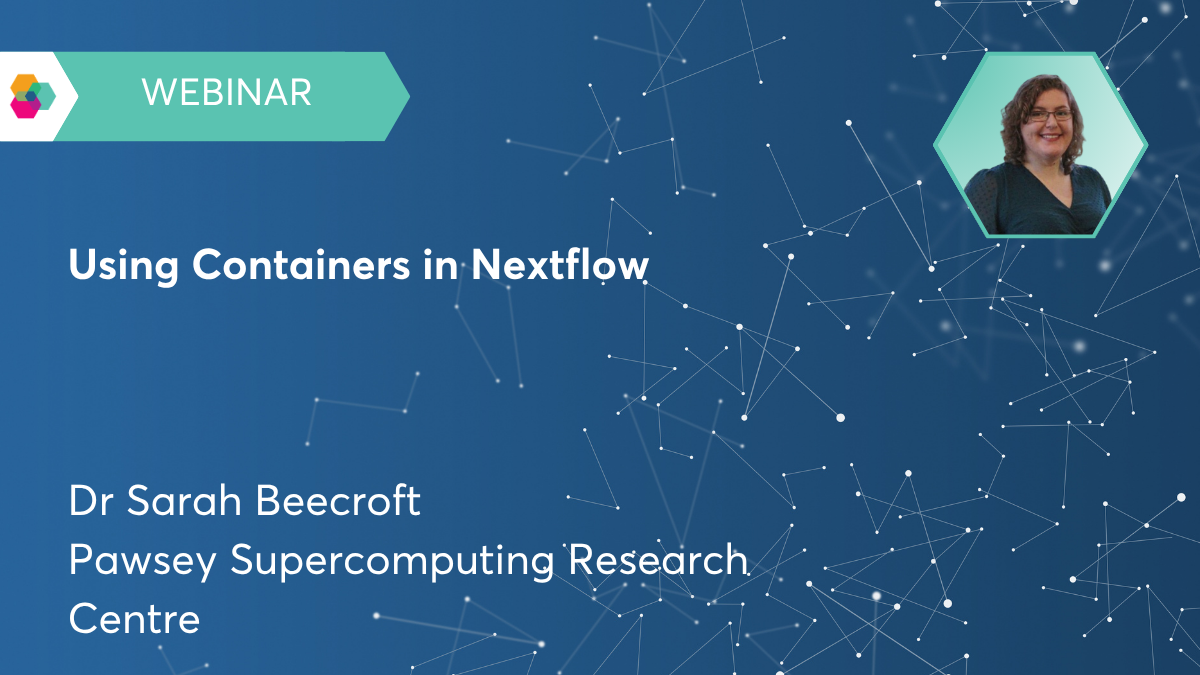
Learn how to run Nextflow workflows using container images from public registries and local systems for reproducible bioinformatics analyses.
This webinar introduces Globus as a powerful solution for life science researchers to manage the transfer of massive datasets with ease.
Australian BioCommons is mapping the future of AI in the life sciences. Join the webinar to hear the results of our national consultation and preview our new training program.
Join Dr Andrew Bisset to explore how the Australian Microbiome initiative provides a uniquely comprehensive, national-scale dataset to track microbial communities and their responses to environmental change.
Join Dr Simon Breeden to discuss the background, development and impact of the Technician Commitment, an internationally recognised initiative that is driving culture change for the technical community.
Start navigating the evolving field of spatial omics and the numerous methods available and explore considerations for analysis of spatial omics data.
Learn why Galaxy is versatile platform for online analysis of biological data whether you are new to data analysis or are looking to take your workflows to the next level.
Move beyond the AI hype and discover how Artificial Intelligence (AI) can be applied in the Life Sciences
Learn how Seqera Platform is useful in different research applications and how to access the new subsidised Australian Nextflow Seqera Service.
The landscape of AI-assisted development has expanded considerably, and with it, the number of tools competing for a place in our workflows. Hear from BioCommons Data Engineer, Dr Joshua Harris, as he shares his experiences with some of these tools.
Magda shares her experience at the Australian outpost of the international hackathon!
Thinking about upskilling as a trainer but not sure where to start? Here, I share my experience as a trainer (and former researcher!) with three great Train-the-Trainer resources - what they offer, how they differ, and which one might be the best fit for you, depending on your goals.
George shares his fantastic experience at BioHackathon 2024!
Gareth reflects on the 2024 Galaxy Community Conference and celebrates how frequently the Galaxy Australia team were cited as important contributors to global initiatives
Johan has supported GAP for over four years and shares his reflections on the journey.
Late last year, we were lucky enough to be selected to attend the 2023 EMBL-EBI Managing a Bioinformatics Core Facility Workshop held at the Wellcome Sanger Genome Campus in Cambridgeshire, UK.
The Australian Outpost of the 2023 BioHackathon struck me as a great opportunity to brush up on my coding skills!
As a training coordinator I’m often asked about the impact of our training on people and their ability to achieve their scientific goals. But what about the environmental impact of our events?
Australian researchers are part of a thriving global effort that collectively works on projects, platforms and services to democratiseaccess to methods in computational MS.
BioFAIR is an exciting new digital research infrastructure that enables the compute resources of ELIXIR and partners to be provided to researchers throughout the UK.